




Skip to content
Kyiv Institute of Gestalt and PsychodramaKyiv Institute of Gestalt and Psychodrama
  • About
    • About KIGiP
    • Code of ethics
    • Reviews
    • Our specialists
  • Training
    • How we train
    • Gestalt level 1
    • Gestalt level 2 (online)
    • Gestalt level 3
    • Gestalt level 4
  • Events
    • Level 1
    • Level 2
    • Level 4
    • Lectures
    • Therapy groups
    • Study groups
    • Specialisations
    • Supervision
    • Intensives and conferences
  • For students
    • Level 2 certification
    • Reading list
    • Supervisors
    • Therapists
    • Therapist accreditation
  • Lectures and recordings
    • Basic gestalt lecture course
    • Polyvagal theory course
    • Gestalt conference 2022
    • Open lectures
    • Therapist self-support
    • Measuring therapy outcomes
    • Adapting therapy to the client
    • Adapting therapy to the client
    • The responsive psychotherapist
    • Working with men in therapy
    • From trauma to resilience
  • Blog
  • Contacts
    • Contact us
    • File a complaint
  •  EN
    • UK
    • RU
    • EN
Kyiv Institute of Gestalt and PsychodramaKyiv Institute of Gestalt and Psychodrama
  • About
    • About KIGiP
    • Code of ethics
    • Reviews
    • Our specialists
  • Training
    • How we train
    • Gestalt level 1
    • Gestalt level 2 (online)
    • Gestalt level 3
    • Gestalt level 4
  • Events
    • Level 1
    • Level 2
    • Level 4
    • Lectures
    • Therapy groups
    • Study groups
    • Specialisations
    • Supervision
    • Intensives and conferences
  • For students
    • Level 2 certification
    • Reading list
    • Supervisors
    • Therapists
    • Therapist accreditation
  • Lectures and recordings
    • Basic gestalt lecture course
    • Polyvagal theory course
    • Gestalt conference 2022
    • Open lectures
    • Therapist self-support
    • Measuring therapy outcomes
    • Adapting therapy to the client
    • Adapting therapy to the client
    • The responsive psychotherapist
    • Working with men in therapy
    • From trauma to resilience
  • Blog
  • Contacts
    • Contact us
    • File a complaint
  •  EN
    • UK
    • RU
    • EN

10 Features of Working with Children in the Gestalt Approach

  • Home
  • Uncategorized
  • 10 Features of Working with Children in the Gestalt Approach
Breadcrumb Abstract Shape
Uncategorized

10 Features of Working with Children in the Gestalt Approach

  • 07.09.2026
  • Com 0

Working with children in the Gestalt approach has its own unique features that set it apart from working with adults.

Here are 10 key points worth the attention of every therapist:

1. Play as the main tool:

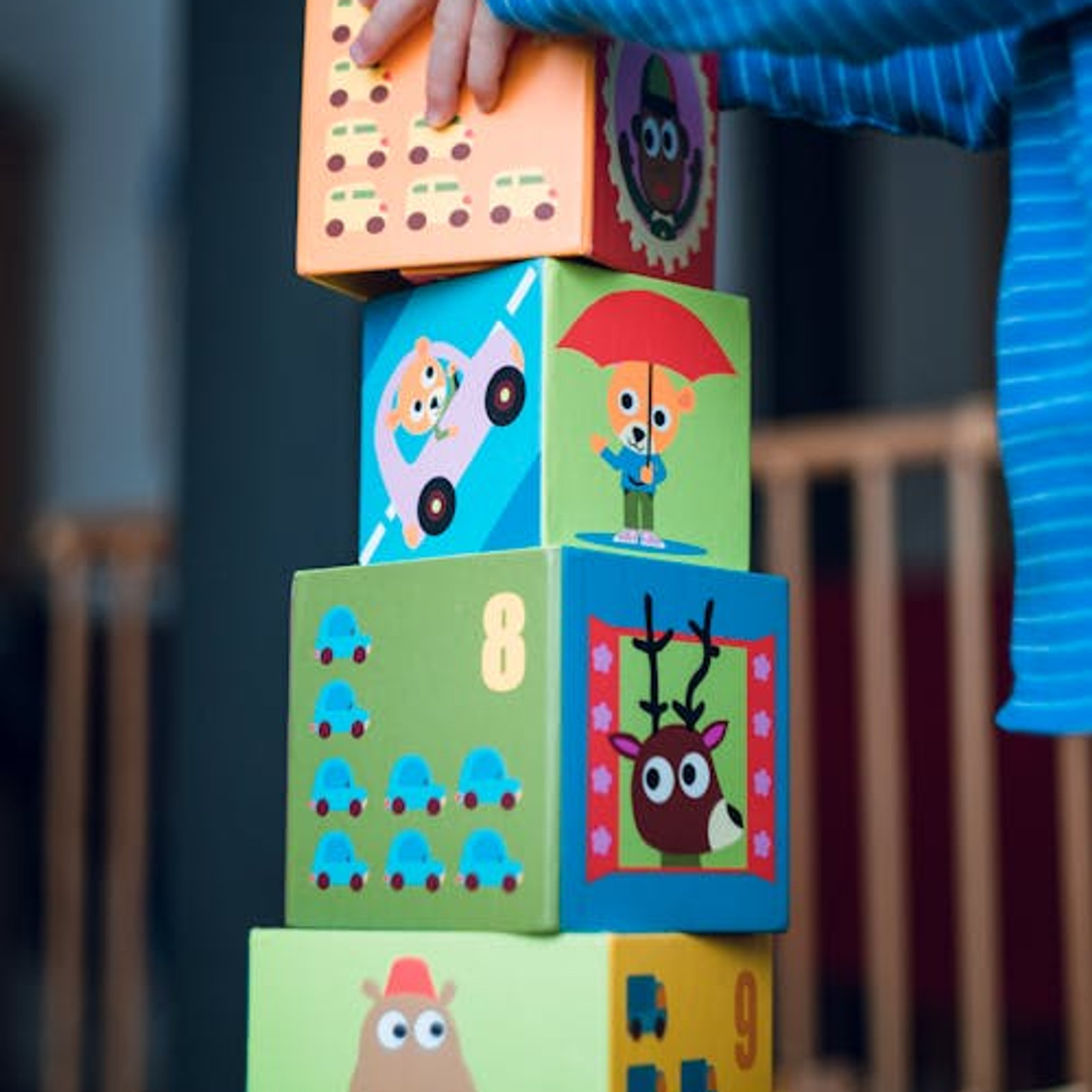
Children express their emotions and experiences better through play. Play becomes the therapist’s main tool for working with children’s emotions, helping them reveal what they cannot put into words.

2. A creative approach:

Use drawing, modelling, fairy tales and other creative methods to express children’s feelings. This helps children find their own ways of healing through art.
3. The client is the child, but the customer is the parent:

The therapist must remember that their client is the child, and must be on the child’s side, supporting the child’s needs and emotions. At the same time the therapist is dealing with the parents, who are the ones commissioning the service. This calls for the ability to hold a balance between the child’s interests and the parents’ requests.

4. Involving the parents:

It is important to work not only with the child but with the family as well. Parents are an inseparable part of the process, so involving them can considerably increase the effectiveness of the therapy.

5. Balancing confidentiality:

Although the child is the main client, there are things the therapist must tell the parents. With an adult client this might look like a breach of confidentiality, but in work with children it is a necessity. The therapist needs a clear sense of which aspects stay between themselves and the child and which call for the parents’ involvement, so that the trust of both sides is preserved.

6. An indirect approach to conflict:

Children often cannot express their conflicts or fears directly. The therapist has to be able to «read between the lines» and grasp the hidden meanings in a child’s behaviour and words.

7. Identifying emotions:

Help the child name and understand their emotions. Many children do not know how to express their feelings, so work on emotional literacy is an important part of the process.

8. Flexibility in the structure of sessions:

Children can shift their attention and mood quickly, so the therapist needs to be flexible and adaptive in order to follow the child’s rhythm.

9. Mirroring and support:

Children often need adults to mirror their emotions and feelings. It is important to support the child in what they are going through, helping them understand that their feelings have a right to exist.

10. Symbolic work:

In the Gestalt approach, symbols and metaphors can be powerful tools for working with children. They help children better understand their inner experience through fairy tales, stories or other symbolic forms.

Share on:
Personal Boundaries: How to Tell They Are Being Violated and How to Protect Them
What Is on the Minds of Children of Service Members

Leave a Reply Cancel reply

Your email address will not be published. Required fields are marked *

Пошук

Категорії

  • Uncategorized
logo_black

Public offer agreement

Про нас

  • About KIGiP
  • Code of ethics
  • Reviews
  • Our specialists

Training at KIGiP

  • How we train
  • Gestalt level 1
  • Gestalt level 2 (online)
  • Gestalt level 3
  • Gestalt level 4

Contacts

Kyiv, 18/1G Prorizna St, office 48
Phone: +38 099 058 32 60
Email: info@kigip.com.ua
Icon-instagram Icon-facebook Icon-youtube
© KIGiP 2026 . All rights reserved
Kyiv Institute of Gestalt and PsychodramaKyiv Institute of Gestalt and Psychodrama
Cancel Preloader
Sign inSign up

Sign in

Don’t have an account? Sign up
Lost your password?

Sign up

Already have an account? Sign in

Apply

Fill in the form and our manager will get back to you.

KIGiP — programme application