





Skip to content
Kyiv Institute of Gestalt and PsychodramaKyiv Institute of Gestalt and Psychodrama
  • About
    • About KIGiP
    • Code of ethics
    • Reviews
    • Our specialists
  • Training
    • How we train
    • Gestalt level 1
    • Gestalt level 2 (online)
    • Gestalt level 3
    • Gestalt level 4
  • Events
    • Level 1
    • Level 2
    • Level 4
    • Lectures
    • Therapy groups
    • Study groups
    • Specialisations
    • Supervision
    • Intensives and conferences
  • For students
    • Level 2 certification
    • Reading list
    • Supervisors
    • Therapists
    • Therapist accreditation
  • Lectures and recordings
    • Basic gestalt lecture course
    • Polyvagal theory course
    • Gestalt conference 2022
    • Open lectures
    • Therapist self-support
    • Measuring therapy outcomes
    • Adapting therapy to the client
    • Adapting therapy to the client
    • The responsive psychotherapist
    • Working with men in therapy
    • From trauma to resilience
  • Blog
  • Contacts
    • Contact us
    • File a complaint
  •  EN
    • UK
    • RU
    • EN
Kyiv Institute of Gestalt and PsychodramaKyiv Institute of Gestalt and Psychodrama
  • About
    • About KIGiP
    • Code of ethics
    • Reviews
    • Our specialists
  • Training
    • How we train
    • Gestalt level 1
    • Gestalt level 2 (online)
    • Gestalt level 3
    • Gestalt level 4
  • Events
    • Level 1
    • Level 2
    • Level 4
    • Lectures
    • Therapy groups
    • Study groups
    • Specialisations
    • Supervision
    • Intensives and conferences
  • For students
    • Level 2 certification
    • Reading list
    • Supervisors
    • Therapists
    • Therapist accreditation
  • Lectures and recordings
    • Basic gestalt lecture course
    • Polyvagal theory course
    • Gestalt conference 2022
    • Open lectures
    • Therapist self-support
    • Measuring therapy outcomes
    • Adapting therapy to the client
    • Adapting therapy to the client
    • The responsive psychotherapist
    • Working with men in therapy
    • From trauma to resilience
  • Blog
  • Contacts
    • Contact us
    • File a complaint
  •  EN
    • UK
    • RU
    • EN

Does Everyone Who Has Parents Need Therapy?

  • Home
  • Uncategorized
  • Does Everyone Who Has Parents Need Therapy?
Breadcrumb Abstract Shape
Uncategorized

Does Everyone Who Has Parents Need Therapy?

  • 06.09.2026
  • Com 0

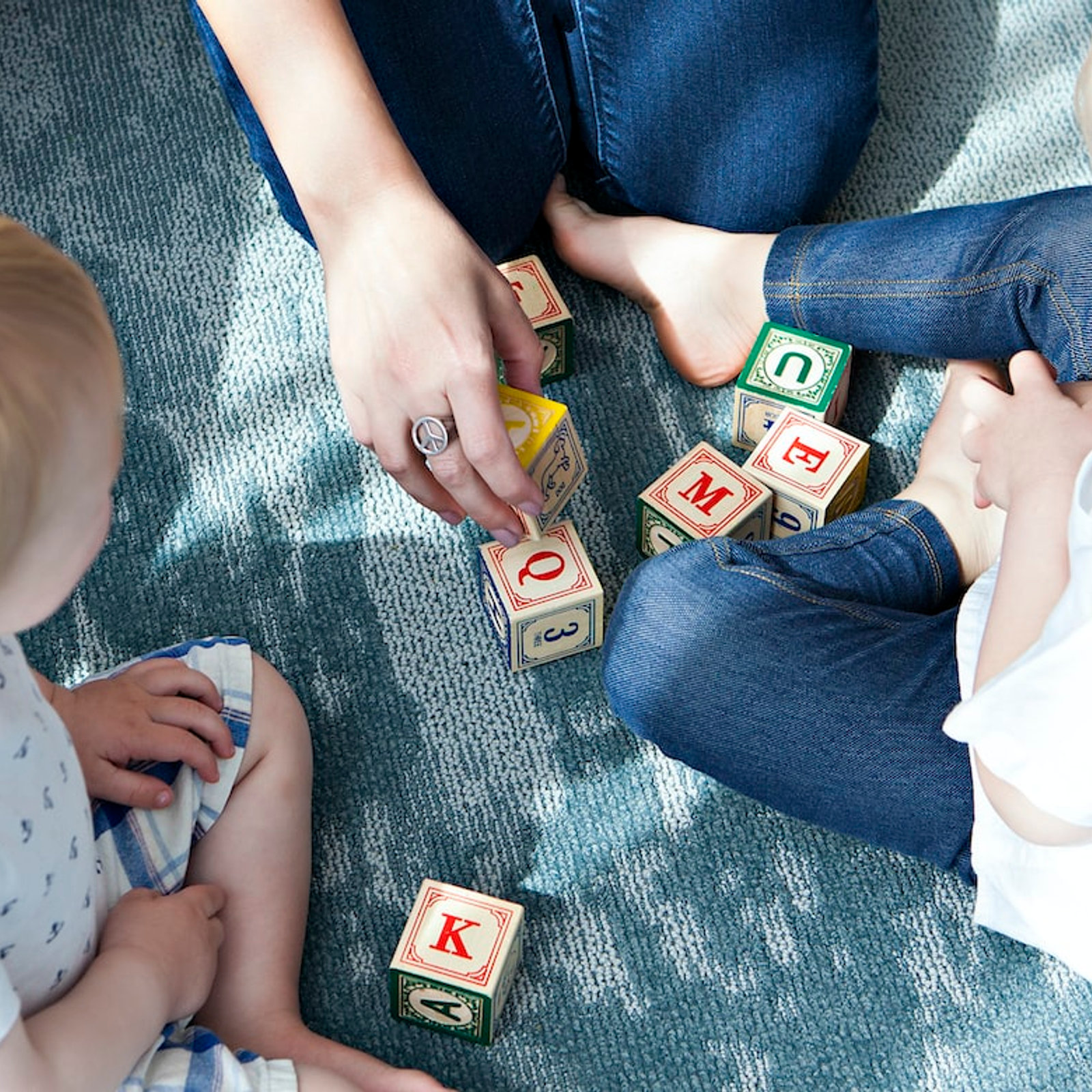
Parents – the first and the main experience for children.

From their parents a child receives the first messages about who they are, how relationships between people work, and how the world works.

That is, at first the child sees through the parents’ eyes; later the messages of other adults, of peers, of the media and so on are added.

On top of that, the child begins to recognise their own sensations, feelings, thoughts…

Can you imagine what a cacophony that is?

Some of it sorts itself out automatically, some of it turns into stable inner conflicts. And the content of the messages is not really all that important.
Two examples.

The parents say: “you have to be active, only lazybones sit at home”.

The child starts going to extracurricular classes, taking part in events, receives a certificate; the parents are pleased, the child is pleased.

But then sometimes the child doesn’t feel like going to those classes, wants to scroll on the phone or simply sleep in on their day off.

But if you have to, you have to – and the best rest is a change of activity.

And there you have an adult with an overloaded schedule, chronic fatigue and anxiety during any pause.

The second example: the parents tell the child about clubs and classes “if you want to, go; if you don’t want to, don’t”.

The child went to a few classes, then got lazy and stopped going.

They start again, but the other children have already learned something in the meantime; the child gets upset and says at home to the parents: “This is all nonsense, I’m not going any more”.

The parents shrug — all the better for them, no need to drive the child anywhere.

And there you have an adult with no hobbies, who finds it hard to organise themselves and attend anything regularly, hard to support themselves when the natural difficulties of learning something new arise.

This person is often bored and sad.

So, whatever family a person grew up in, as the specialists joke, “they will always have something to tell their psychotherapist”.

In the course of therapy an adult can rethink the conclusions and rules acquired in the family and work out what their own ideas about themselves, about other people and about the world actually are. And, even more importantly, what kind of future they want.

Jean-Paul Sartre

Text by: Oleh Li and Svitlana Tsyrempilova

Share on:
About the Field Paradigm in Simple Words
How to Tell That a Client Should See a Psychiatrist

Leave a Reply Cancel reply

Your email address will not be published. Required fields are marked *

Пошук

Категорії

  • Uncategorized
logo_black

Public offer agreement

Про нас

  • About KIGiP
  • Code of ethics
  • Reviews
  • Our specialists

Training at KIGiP

  • How we train
  • Gestalt level 1
  • Gestalt level 2 (online)
  • Gestalt level 3
  • Gestalt level 4

Contacts

Kyiv, 18/1G Prorizna St, office 48
Phone: +38 099 058 32 60
Email: info@kigip.com.ua
Icon-instagram Icon-facebook Icon-youtube
© KIGiP 2026 . All rights reserved
Kyiv Institute of Gestalt and PsychodramaKyiv Institute of Gestalt and Psychodrama
Cancel Preloader
Sign inSign up

Sign in

Don’t have an account? Sign up
Lost your password?

Sign up

Already have an account? Sign in

Apply

Fill in the form and our manager will get back to you.

KIGiP — programme application