




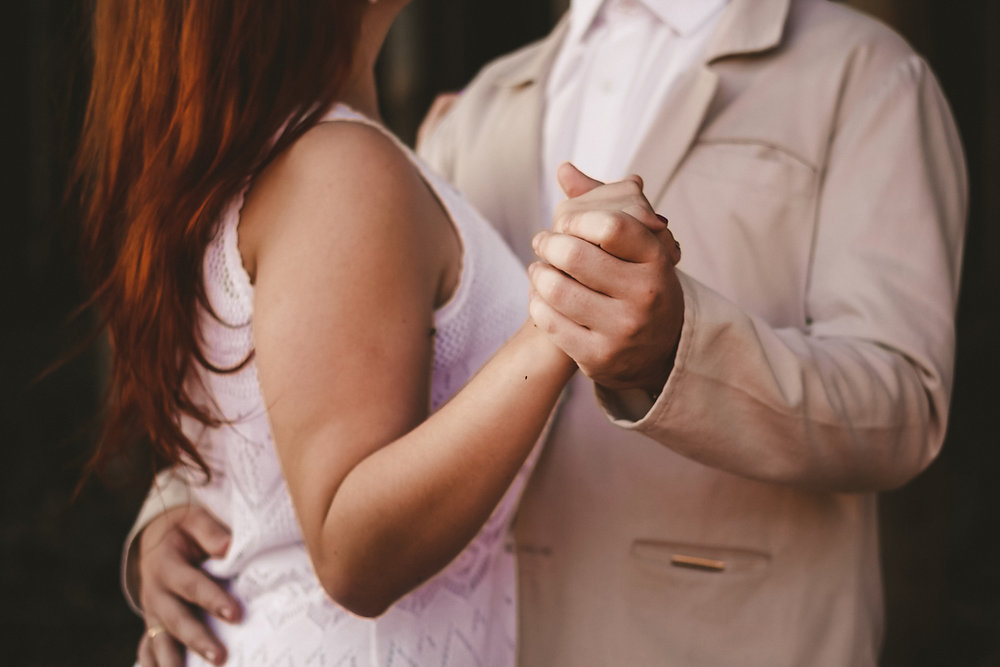
Robert Resnick described the dynamics of human relationships very beautifully, comparing them to an endless dance of closeness and distance.
This metaphor captures the smooth and often complicated movements between partners in a relationship, the rhythmic approaching and moving away that is as natural as it is necessary for keeping the harmony.
A STEP TOWARDS:
In the dance of a relationship, moments of closeness can be compared to a slow, intimate waltz.
It is in these steps that partners move in unison, share a common field and feel a deep connection. Resnick stressed how important this closeness is for developing trust, safety and attachment.
It is an emotional embrace that creates a sense of reliability and safety.
A STEP BACK:
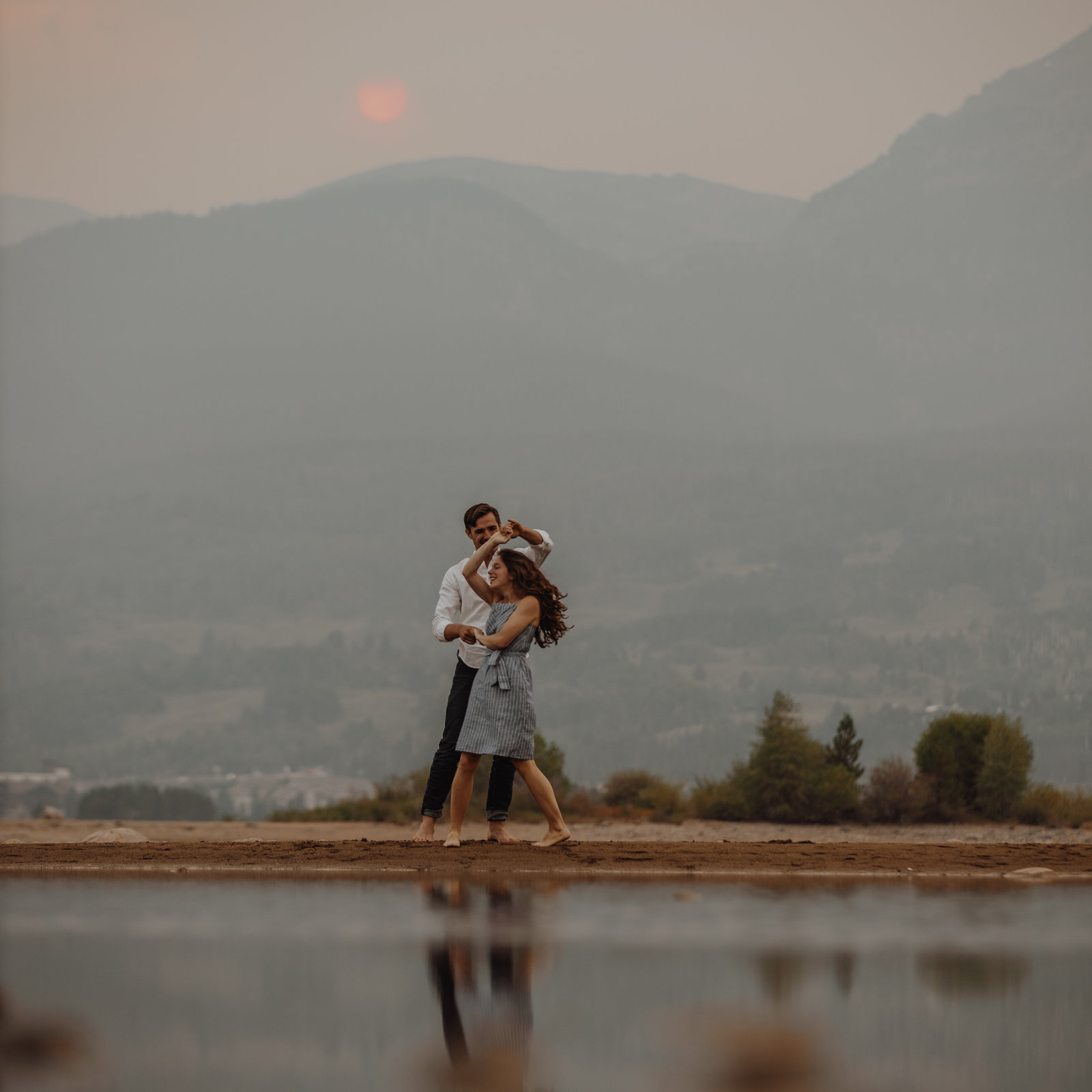
Just as important as closeness, however, is separation – the solo performance within the duet.
Resnick pointed out that for a relationship to flourish, individuality needs space to move, develop and rest independently.
This separation is not about creating distance, but about sustaining individuality and personal strength. It is the solo that allows each partner to bring something unique into the duet.
BALANCE IN THE DANCE:
The success of a relationship lies in balance – in the rhythmic movement between coming closer and moving away.
Too much closeness can lead to a loss of self, while too much separation can weaken the bond.
The dance of a relationship is about finding a tempo that allows both partners to feel both connection and autonomy.
THE ART OF THE DANCE:
So how do we find our way on this dance floor?
Resnick believed this could be achieved through communication, sensitivity and respect.
It involves attuning your rhythms to one another, knowing when to take a step towards greater closeness and when to give space for a solo movement.
THE CHOREOGRAPHY OF GROWTH:
Ultimately, this dance is a choreography of growth — both personal and shared.
Each partner brings their own movements and their own style, shaped by their history, their personality and their needs.
The beauty of the dance comes from joint creation, from the way partners adapt their steps to one another, and from the new patterns they create together.