





Skip to content
Kyiv Institute of Gestalt and PsychodramaKyiv Institute of Gestalt and Psychodrama
  • About
    • About KIGiP
    • Code of ethics
    • Reviews
    • Our specialists
  • Training
    • How we train
    • Gestalt level 1
    • Gestalt level 2 (online)
    • Gestalt level 3
    • Gestalt level 4
  • Events
    • Level 1
    • Level 2
    • Level 4
    • Lectures
    • Therapy groups
    • Study groups
    • Specialisations
    • Supervision
    • Intensives and conferences
  • For students
    • Level 2 certification
    • Reading list
    • Supervisors
    • Therapists
    • Therapist accreditation
  • Lectures and recordings
    • Basic gestalt lecture course
    • Polyvagal theory course
    • Gestalt conference 2022
    • Open lectures
    • Therapist self-support
    • Measuring therapy outcomes
    • Adapting therapy to the client
    • Adapting therapy to the client
    • The responsive psychotherapist
    • Working with men in therapy
    • From trauma to resilience
  • Blog
  • Contacts
    • Contact us
    • File a complaint
  •  EN
    • UK
    • RU
    • EN
Kyiv Institute of Gestalt and PsychodramaKyiv Institute of Gestalt and Psychodrama
  • About
    • About KIGiP
    • Code of ethics
    • Reviews
    • Our specialists
  • Training
    • How we train
    • Gestalt level 1
    • Gestalt level 2 (online)
    • Gestalt level 3
    • Gestalt level 4
  • Events
    • Level 1
    • Level 2
    • Level 4
    • Lectures
    • Therapy groups
    • Study groups
    • Specialisations
    • Supervision
    • Intensives and conferences
  • For students
    • Level 2 certification
    • Reading list
    • Supervisors
    • Therapists
    • Therapist accreditation
  • Lectures and recordings
    • Basic gestalt lecture course
    • Polyvagal theory course
    • Gestalt conference 2022
    • Open lectures
    • Therapist self-support
    • Measuring therapy outcomes
    • Adapting therapy to the client
    • Adapting therapy to the client
    • The responsive psychotherapist
    • Working with men in therapy
    • From trauma to resilience
  • Blog
  • Contacts
    • Contact us
    • File a complaint
  •  EN
    • UK
    • RU
    • EN

Basic rules of psychological resilience during wartime

  • Home
  • Uncategorized
  • Basic rules of psychological resilience during wartime
Breadcrumb Abstract Shape
Uncategorized

Basic rules of psychological resilience during wartime

  • 06.09.2026
  • Com 0

1. Stop waiting for “when this will be over”.

It sounds harsh, but waiting like that drains your strength. It will end. Without fail. But you have to act in line with the realities of today.

2. Keep adapting to new conditions, continuously.

To do this, we answer the questions:

What can I do right now to feel better? Safer? Warmer?

What small step can I take within 5 minutes? Within the next hour? Today?

3. Give up whatever weakens you emotionally.

What makes my condition worse?

After what do I feel powerless?

What do I need to give up right now?

Watching which news channels increases my anxiety?

Which conversations drain me?

4. Replenish your emotional reserves.

And so we answer the questions:

What adds to my resources for living?

What has helped me feel better over the past few days?

Some activity?

Some conversations?

Looking at some kind of information?

5. Keep in touch with the people close to you.

Ask the question everyone is asking: “How are you?” Exchange news.

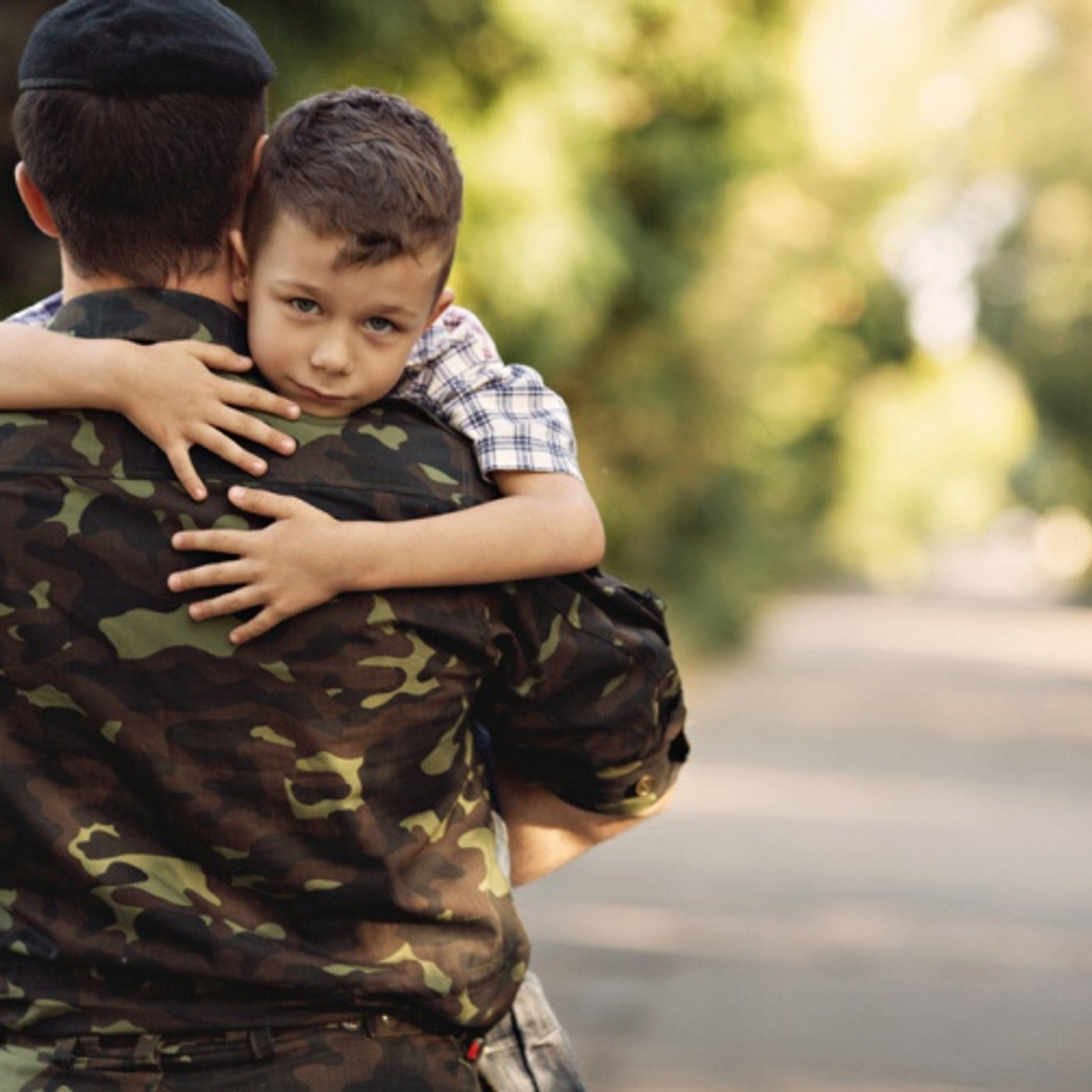
Hug. Spend time together.

Emotional contact is badly needed right now. So if you are far apart, add voice and video calls instead of text messages.

6. Help others, but keep a careful eye on the “oxygen mask” rule: we help only after we have taken care of ourselves (see the previous points).

If you have the strength and the opportunity, then think:

Who can I be of use to right now?

Who needs my help?

What form might that help take?
Ways to reduce anxiety:

1. Breathe. Calm, slow breathing, with the out-breath longer than the in-breath. If you feel your heart pounding, dizziness, a sense of being “lost”, nausea – drop everything for a minute – and breathe;

2. Drink water, a little at a time.

3. Put any elastic band on your wrist and flick it against your arm if you are flying off “into panic”.

4. Occupy yourself with an activity you are used to and do confidently;

5. Emergency help – do any physical exercise: do a squat, hold a plank, do 10 press-ups. Control over your emotions will come back through control of your body.

8. Do not forget to eat. Hunger will make your condition worse.

9. Try not to get drawn into emotional arguments right now. It is very important to conserve your emotional strength at the moment.

10. Hug the people close to you.

Share on:
Clinical Psychology in Gestalt
We are curious creatures — we are uniquely adaptive.

Leave a Reply Cancel reply

Your email address will not be published. Required fields are marked *

Пошук

Категорії

  • Uncategorized
logo_black

Public offer agreement

Про нас

  • About KIGiP
  • Code of ethics
  • Reviews
  • Our specialists

Training at KIGiP

  • How we train
  • Gestalt level 1
  • Gestalt level 2 (online)
  • Gestalt level 3
  • Gestalt level 4

Contacts

Kyiv, 18/1G Prorizna St, office 48
Phone: +38 099 058 32 60
Email: info@kigip.com.ua
Icon-instagram Icon-facebook Icon-youtube
© KIGiP 2026 . All rights reserved
Kyiv Institute of Gestalt and PsychodramaKyiv Institute of Gestalt and Psychodrama
Cancel Preloader
Sign inSign up

Sign in

Don’t have an account? Sign up
Lost your password?

Sign up

Already have an account? Sign in

Apply

Fill in the form and our manager will get back to you.

KIGiP — programme application