




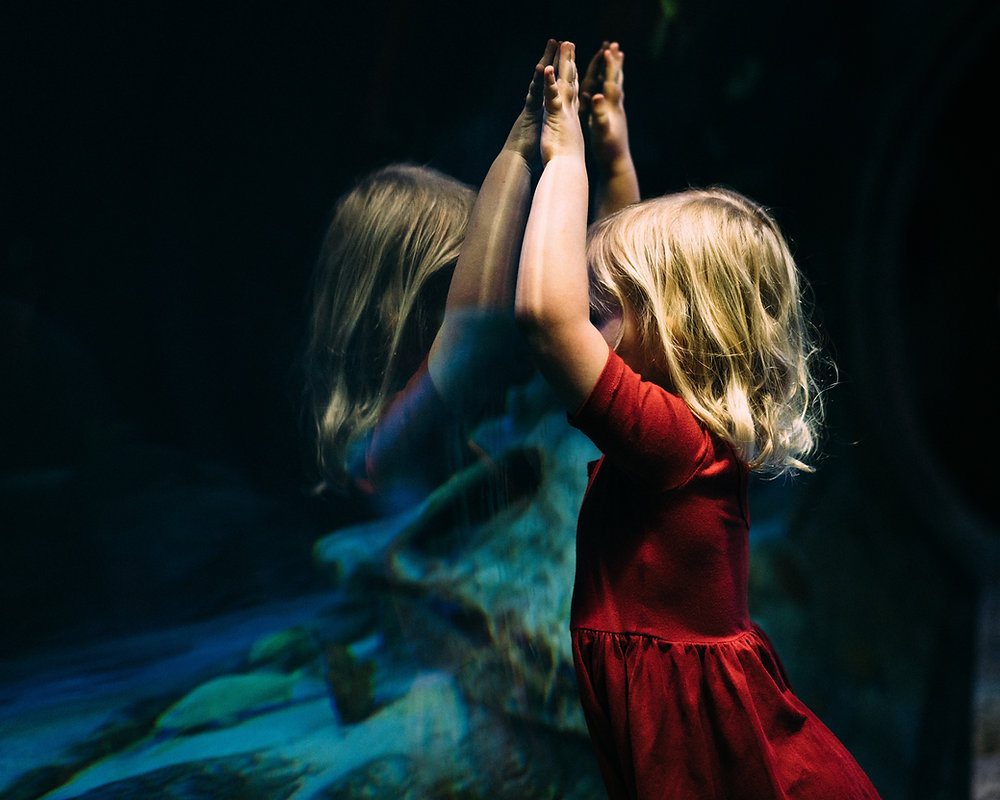
The inner child is an important part of our personality.
Different approaches call this part differently: a subpersonality, an archetype, a behavioural pattern.
References to the inner child as a part of our soul can be found in many cultures.
Which leads to the conclusion that ignoring this part of ourselves is definitely not worth it.
At the same time, it matters that we look at our inner child part precisely from the outside.
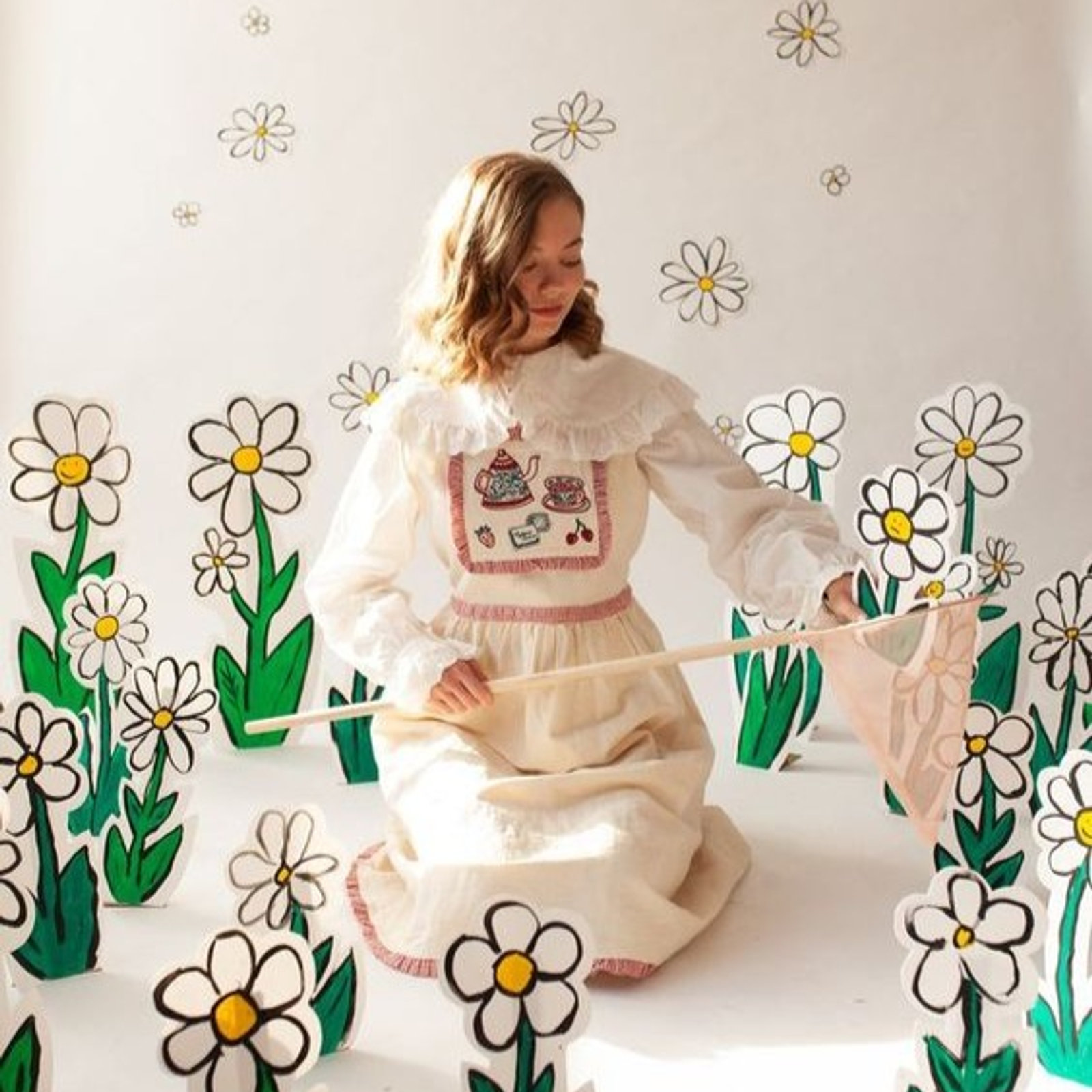
When we are in the grip of our inner child’s experiences, we are in confluence with it, with its feelings, with our childhood behavioural strategies and beliefs that no longer help us but get in the way.
Once upon a time those strategies and attitudes helped us survive.
Now they are what fails us, what can send a person into despair, self-flagellation and self-devaluation.
You could say that the person is «captured» by the inner child and its experiences.
And then it is important to learn to step out of this inner confluence, to shake off this trance.
To realise that you are not 100% your inner child.
And this has to be done with support and compassion towards yourself and your inner child, not with blame and criticism.
Blaming ourselves is something we are already excellent at.
A vast body of research confirms that the better we learn to treat ourselves, the better things go for us.
The opposite almost never happens – we step out of confluence and take a kind observing position towards ourselves.
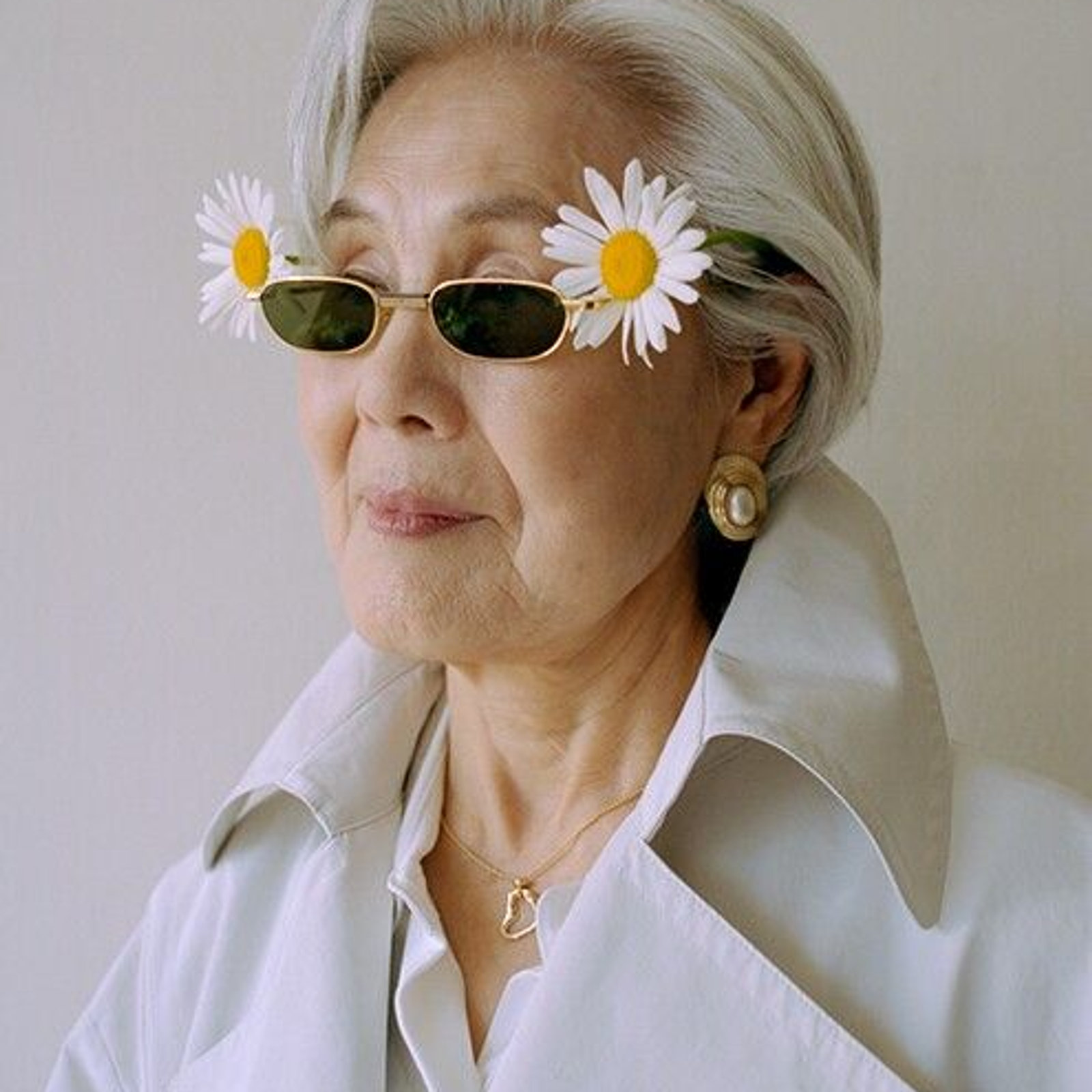
When we address the Inner Child as a separate part of ourselves, one we can build a dialogue with and observe, we learn to support ourselves for real and set in motion the healing of long-standing wounds.
Psychologist Yevheniia Pohudina once asked her Instagram followers a question:
«If your inner child felt accepted, then…?»
What would then be happening in your life?
The answers were extremely varied.
For example, these:

These and other answers were about how the felt sense of life can improve when our child part feels accepted.