




in spite of everything
LIFE
Resources
Ground to stand on
Inspiration
XIX
International Conference on Gestalt Therapy
05–06 April 2025
10:00–20:00
ONLINE


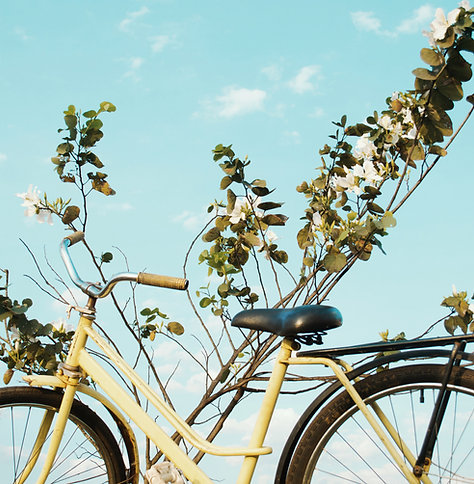
Life is not simply a set of events.
It is movement, waves, falls and rises, moments when we feel strong, and moments when it seems the ground is slipping from under our feet.
Sometimes the world around us seems chaotic and unpredictable.
We meet challenges that test our resilience, that make us look for new ground to stand on or even rethink ourselves. But it is precisely in hard times that something valuable is born — a deeper understanding of our limits, our resources and our possibilities.
Life does not ask permission to change.
It does not stop and does not wait for us to be ready. But we can find our own point of balance within it.
Not in trying to control everything, but in learning to adapt, to trust ourselves and to find meaning even in uncertainty.
How do you keep your inner stability in an unstable world?
How do you support yourself when the ground beneath your feet feels unsteady?
What can become our real ground to stand on, whatever the outer circumstances?
The answers to these questions are not universal, but they are what helps us not merely to survive but to live.
Fully. Consciously. In spite of everything.
So let us explore together.
Your resources, your ground, your inspiration.
We invite you to join us this spring, so that in a warm and trusting atmosphere we can explore these important questions, look for resources and possibilities, and find the support of like-minded people
Format: online


For those who are only planning to study and are in the process of choosing a direction and an institute
For students of training programmes in gestalt therapy
Who is this Conference for?


For practising gestalt therapists and trainers
For everyone who is interested in the gestalt approach and needs support right now

Speakers of the Conference
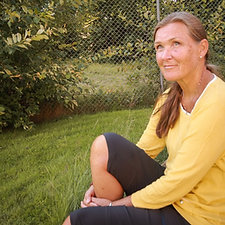
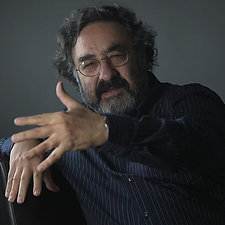
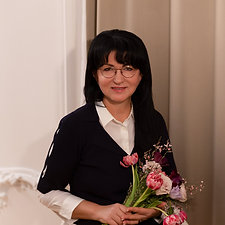
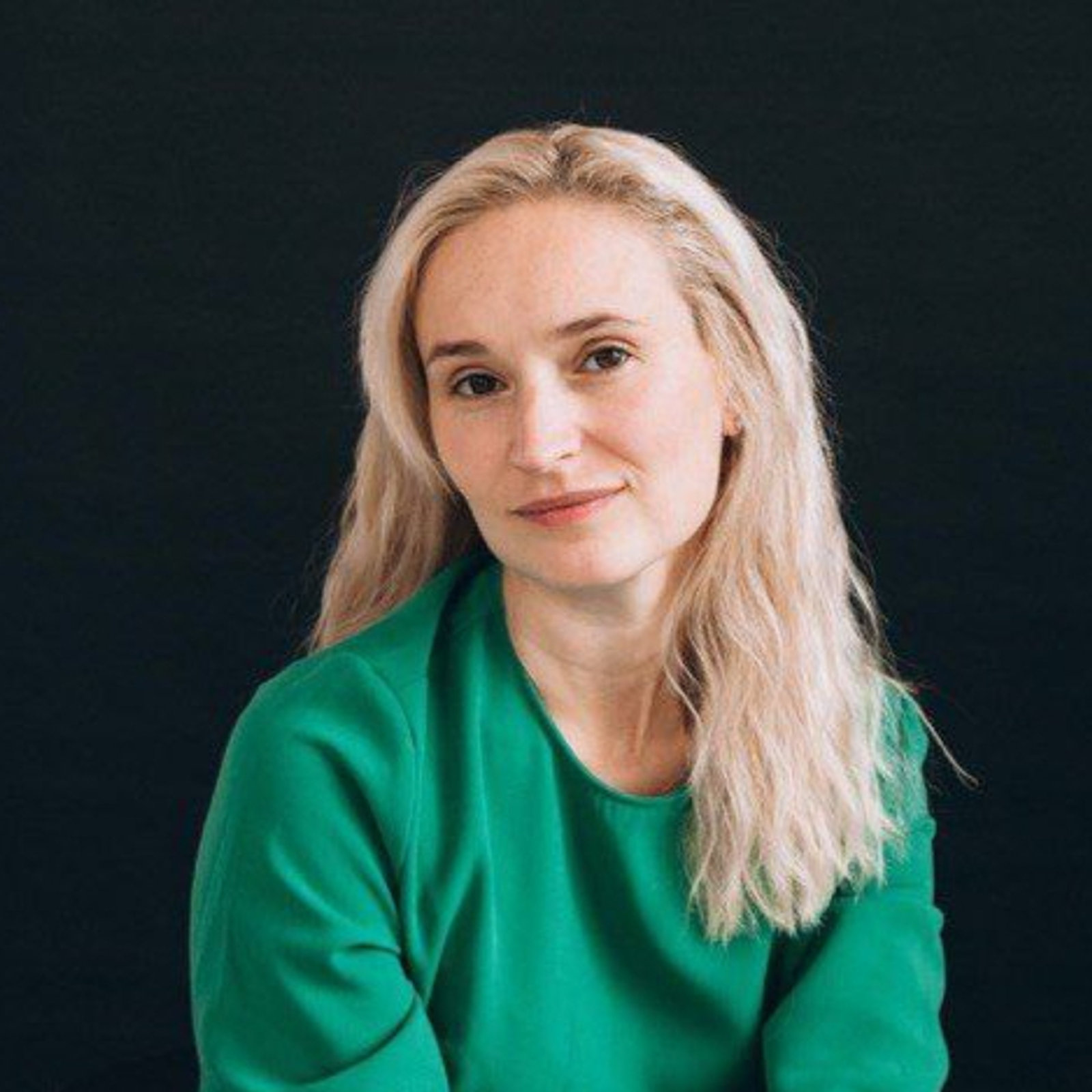
Larysa Didkovska (Ukraine)
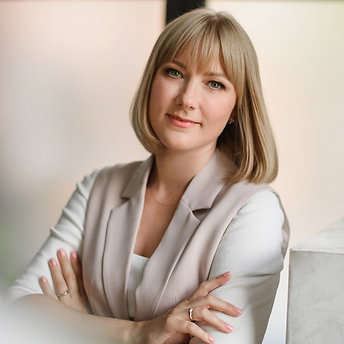
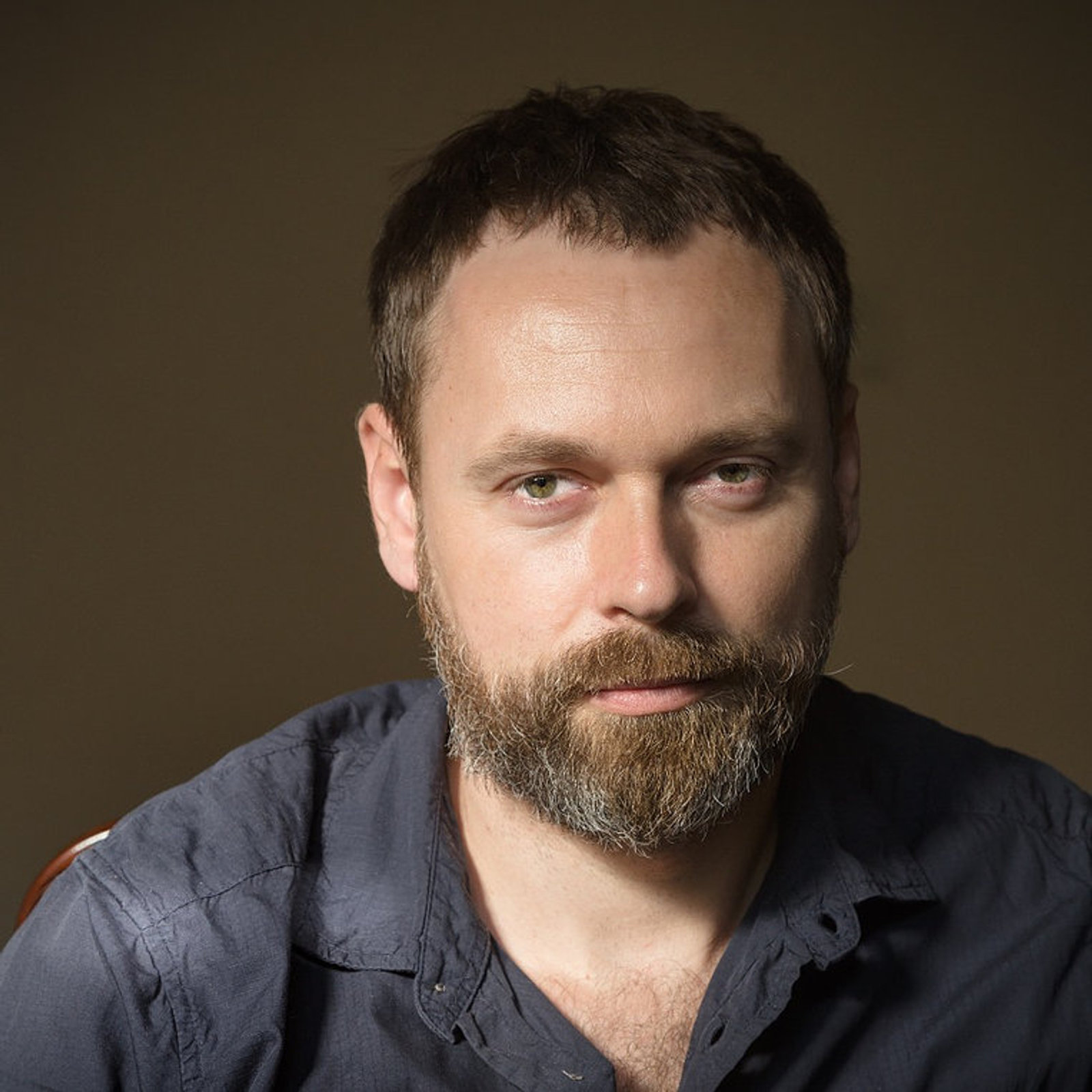
Arye Bursztyn (Israel)
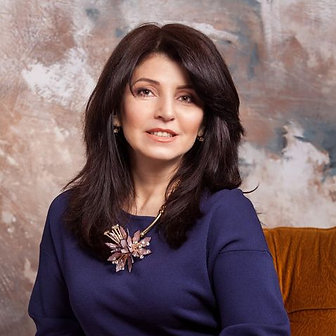
Valentyna Nieikova-Mokhova (Ukraine)

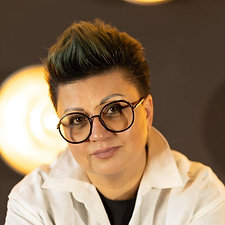



10:00–11:00
Opening of the Conference
11:00–12:15
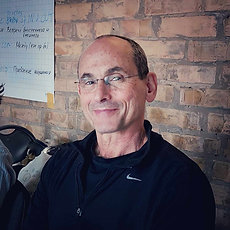
Arye Bursztyn with a lecture
Embodied resources and ground: breath, grounding, meaning

12:15–12:30
Break
12:30–13:45
Valentyna Nieikova-Mokhova with a workshop
The therapist’s window of tolerance: how to support yourself so that you can support others.
13:45–14:45
Lunch break

14:45–16:45
A line-up of master classes
-
Serhii Haidai: Transformation
-
Iryna Shcherbakova: Freedom in captivity
-
Bohdan Bilkei: The 6 basic movements after Ruella Frank and their link with the Self and the cycle of contact
-
Viktoriia Varha: Needs and resources in relationships
-
Ruslan Tkachuk: My own Source of Hope
-
Olesia Varvarska: The wounded healer. A meeting with the Shadow
16:45–17:00
17:00–18:15
Jay Levin with a lecture
On the side of life: the role of belonging in a world that is losing connection

18:20–19:20
Evening assimilation groups
10:00–11:15
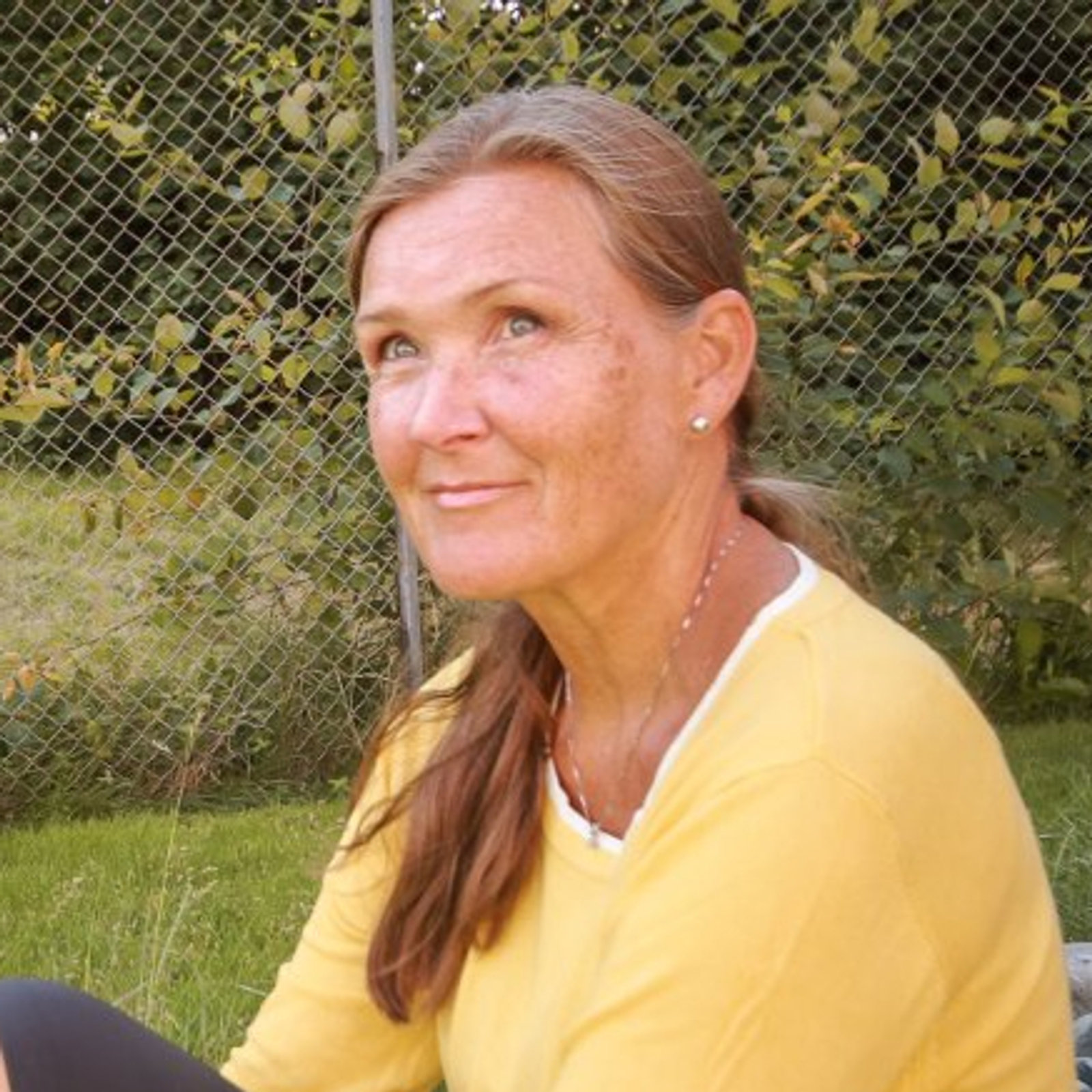
Liv Vadum with a lecture
Shaming the victim

11:15–11:30
11:30–13:00
Larysa Didkovska with a lecture
A place of power, or the power of place
13:00–14:00
Lunch break

14:00–15:30
A line-up of master classes
-
Khrystyna Smahlii: To live today
-
Nadiia Rekhtina: The challenge of Being: how to find the movement of your own expression in a time of tension
-
Olena Statnyk: Show yourself — don’t hold back
-
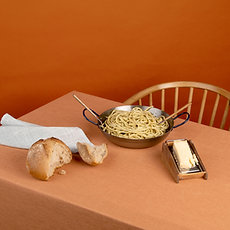
Maryna Marhitych: The taste of presence: food as a resource
-
Oksana Shulha: Suffering as a choice
-
Mirabella Bilylovska: Rest that has a taste
15:30–15:50

15:50–17:20
A cascade of supervisions
-
Nataliia Turbovets
-
Valentyna Nieikova-Mokhova
-
Serhii Haidai

17:20–17:30

17:30–18:30
Closing of the Conference
Liv Vadum (Norway) Shaming the victim. This lecture will be devoted to the victim of violence in relationships, but it will also be relevant for the victims of other situations in which the victim struggles with shame. Clinical work with those who have lived through trauma also means work with shame.
The shame that the abuser and/or those around impose on the client, or that the client imposes on themselves for having become a victim of domestic violence or of other situations of violence.
Speaker
Liv Vadum:
-
Clinical gestalt therapist and supervisor of NGI (the Norwegian Gestalt Institute)
-
Full member of NGF (the Norwegian Gestalt Association) and EAGT (the European Association for Gestalt Therapy)
-
Specialist in the clinical therapy of trauma and in complicated grief therapy
-
leader of the programme in clinical psychology at KIGiP
Arye Bursztyn (Israel) Embodied resources and ground: breath, grounding, meaning.
This workshop will be an exploratory and playful immersion into the fundamental resources for self-support, both for therapists and for clients.
We will move in our chairs, use breath and voice, and draw on body-oriented dialogue.
Speaker
Arye Bursztyn:
-
Israeli gestalt therapist in private practice, trainer and supervisor.
-
Former dancer and teacher of movement at the Kibbutzim College of Education in Tel Aviv.
-
Full member of the EAGT since 2007.
-
Board member of the Israeli association of gestalt therapy.
-
Has taught Body-mind gestalt therapy at Tel Aviv University and on various training programmes for psychotherapists in Israel, the USA and Europe.
Jay Levin On the side of life: the role of belonging in a world that is losing connection
I will focus on the healing power of belonging and on the importance of responding to the growing violence in the world. This violence shows itself in the ever greater exhaustion of the natural environment, in the destruction of the social and cultural values that hold human relationships together, and in the effect of these processes on our professional responsibility as mental health specialists.
The healing qualities of contact and of the sense of belonging are an important answer to this global violence. For it is precisely in moments of lost connection, destruction and aggression that it matters most to keep the capacity to be in relationship — with oneself, with others, with the world.
In my lecture I will speak about how the feeling of belonging can serve as ground to stand on in times of instability, and about how we, as helping professionals, can be a source of support, hope and humanity in a changing world.
Speaker:
-
Gestalt therapist,
-
supervisor, EAGT supervisor
-
International trainer of GATLA (the Gestalt Associates Training Los Angeles).
-
Clinical psychologist from the RSA (the Republic of South Africa).
-
Is the author of a number of publications.
-
Besides studying psychological and ethical problems in work with prisoners, including political prisoners, Jay works on questions of rehabilitation, adolescent behaviour and the prospects for the development of gestalt therapy.
-
For more than 20 years he has been a trainer and supervisor on training programmes at international level.
Valentyna Nieikova-Mokhova The therapist’s window of tolerance: how to support yourself so that you can support others
Psychotherapists are often the ground their clients stand on, helping them through pain, uncertainty and hard trials in life. But what happens when the specialist themselves feels overloaded, emotionally exhausted or stressed? How do you keep your inner balance, stay involved in the process and yet not burn out?
This lecture will be a space for becoming aware of and exploring the therapist’s own window of tolerance.
We will talk about how to recognise the signs of overload, how to keep a balance between deep involvement and personal boundaries, and how to develop your own inner ground to stand on. For only by keeping that inner ground can we be a real support to others.
Lecturer
Valentyna Nieikova-Mokhova:
-
Psychologist, gestalt therapist
-
Senior trainer and supervisor of KIGiP
-
Expert in the field of crisis psychology and trauma therapy
-
Trainer and supervisor on international programmes in the field of trauma therapy
-
Member of the European Society for Traumatic Stress Studies (ESTSS)
Larysa Didkovska A place of power, or the power of place?
In this lecture we will try to explore which further personal and professional resources of a gestalt therapist can help their life and their effective work in the fourth year of the war.
Speaker
Larysa Didkovska:
-
Candidate of psychological sciences. Associate professor of the Ivan Franko National University of Lviv.
-
Member of the Ukrainian Union of Psychotherapists (UUP).
-
Member of the European Association for Psychotherapy (EAP). Vienna. Austria.
-
President of the Ukrainian Association of Gestalt Therapy (UAGT).
-
Head of the gestalt therapy section of the Ukrainian Union of Psychotherapists (UUP).
-
Teaching trainer and supervisor of the Ukrainian Union of Psychotherapists (UUP).
-
33 years of clinical practice
Serhii Haidai Transformation
Changes in the environment call for adaptation. When the ground changes, new figures become more noticeable — what used to stay on the periphery can come to the fore, while the usual and familiar can suddenly lose its sharpness.
At this workshop we will explore how outer changes affect our inner structure, how we adjust to the new, and which patterns appear in the process of adaptation. We will pay attention to what becomes sharply expressed in different circumstances and what, on the contrary, moves into the shadow.
It will be a chance to see yourself in the process of change and to find new points of support in the flow of transformation.
Iryna Shcherbakova Freedom in captivity
How do you live a life full of events you do not choose?
What do you do when your ideas about the world are no longer valid?
Where do you go?
What do you lean on?
How do you manage to understand «who I am» in this endless run of changes?
Do I have the right to want and to plan anything?
These and other questions we will live through at the master class
Bohdan Bilkei The 6 basic movements after Ruella Frank and their link with the Self and the cycle of contact
The Self is a dynamic process that forms in interaction with the world; it aims at adaptation, at creative adjustment to the world, and it opens up and creates its own world in the course of that interaction.
The visible manifestation of this interaction is physical activity, bodily movement.
And it is by breaking these movements down into their basic elements that we can explore the means by which we create manifest experience, before we become aware of it through reflection.
At the master class we will explore our movements from the point of view of creative adjustment — the movements we use through the way we move in interaction with the «other». We will see how our basic movements map onto the individual cycle of contact, and we will explore the nature of our contacting and of our sense of self.
Ruslan Tkachuk My own Source of Hope
How do you hold on when there is no strength left at all?
What do you lean on when it seems there is nothing left to lean on?
In dark times, when almost all our supports, meanings and resources are lost, when we are tired, exhausted or burnt out emotionally, it matters very much to keep our own source of hope.
It is hope that is the lighthouse I can steer by in the darkest times of the strongest storm.
At the master class we will find and tend our own source of hope.
Olesia Varvarska
The wounded healer. A meeting with the Shadow. We, psychologists and psychotherapists, are healers of human souls, and at the same time we are wounded healers. Our childhood traumas and wounds are often the main motivation for becoming a psychotherapist.
Usually, in the course of learning the profession and during our own therapy, we get to know ourselves fairly well — what we are like, our wishes and needs, our wounds and scars, and our shadow, split-off, unaccepted traits and expressions. Everything has a shadow side, and so does everyone. But we do not always notice how our personal shadow affects our professional life.
I invite you to explore the shadow side of the therapist’s personality. How far it is made conscious determines how it affects practice. The less conscious it is, the stronger its influence.
The wish to rescue clients, the striving for recognition, the thirst for power, closeness but only controlled closeness, the chance to be good and to receive love from clients, the avoidance of the experience of powerlessness — these are only some of the possible shadow sides of our profession as psychotherapists.
Do you know your own? Do you know which of your own motives and needs you are meeting while you sit in the therapist’s chair and in the client–therapist relationship?
If you are curious to look at, become aware of and embrace your shadow, I invite you to a meeting with it.
.
Viktoriia Varha
Needs and resources in relationships
We invite you to a master class by Viktoriia Varha — associate professor, candidate of psychological sciences, head of the Psychological and Pedagogical Centre of the city of Uzhhorod, trainer of the first and other levels of gestalt therapy, supervisor of KIGiP — «Needs and resources in relationships».
My resources and my needs in a relationship are different things. I usually want what I lack, not what I have in abundance. And that is perfectly normal; it makes life and relationships far richer. If I am a calmer, more measured person, I will probably find someone more active or sociable interesting, because that way we can complement each other. Though of course this is not a rule.
Our resources are our strengths — what we can share without harming ourselves. A need, on the other hand, is a need for something in a relationship, and it is always there, otherwise the relationship simply will not work. And respecting your needs and acknowledging them is already an important step towards harmony in your dealings with others.
And so: at the master class we will gain the skills of a therapeutic process that becomes a dance of mutuality, made up of movements meant to give clients in a couple a more spontaneous and fuller sense of self as they meet one another.
.

Khrystyna Smahlii To live today
We often put life off until later, hoping that we will get to everything in time. When spring comes, when the war ends, when I grow up…
But life is what is here and now.
At the master class we will explore how we stop ourselves and get in our own way, building dams in the river of life instead of moving freely.
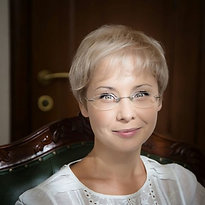
Nadiia Rekhtina The challenge of Being: how to find the movement of your own expression in a time of tension
In moments of uncertainty and tension one of our reactions is the wish to disappear, to become invisible, to keep silent. This workshop is devoted to exploring visibility and to opening yourself up at the very time when you feel least able to.
How do you stay in contact with yourself?
How do you find a balance between silence and expression?
How do you allow yourself to blossom
We will work through body practices, breath, movement and conscious presence, in order to explore how to be visible without forcing it, how to support your own true movement — the one that does not break you but gives you ground.
It is a chance to explore your own dynamics of being visible, and to find a way of moving as your body feels it, with respect for your limits and needs.
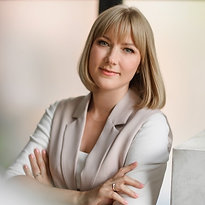
Olena Statnyk Show yourself — don’t hold back!
In today’s world it is hard for a psychologist or psychotherapist to imagine life without being visible. On training and therapy groups, in supervision, on social media — visibility is necessary. And yet how much feeling that can stir up, and how hard it can be.
Sometimes the temptation appears to sign up for one more professional training or promotion course, in order to feel more confident and finally start speaking about yourself.
At the master class we will explore your own personal obstacles that hold back your movement forward, and look for ways of supporting yourself along the way.
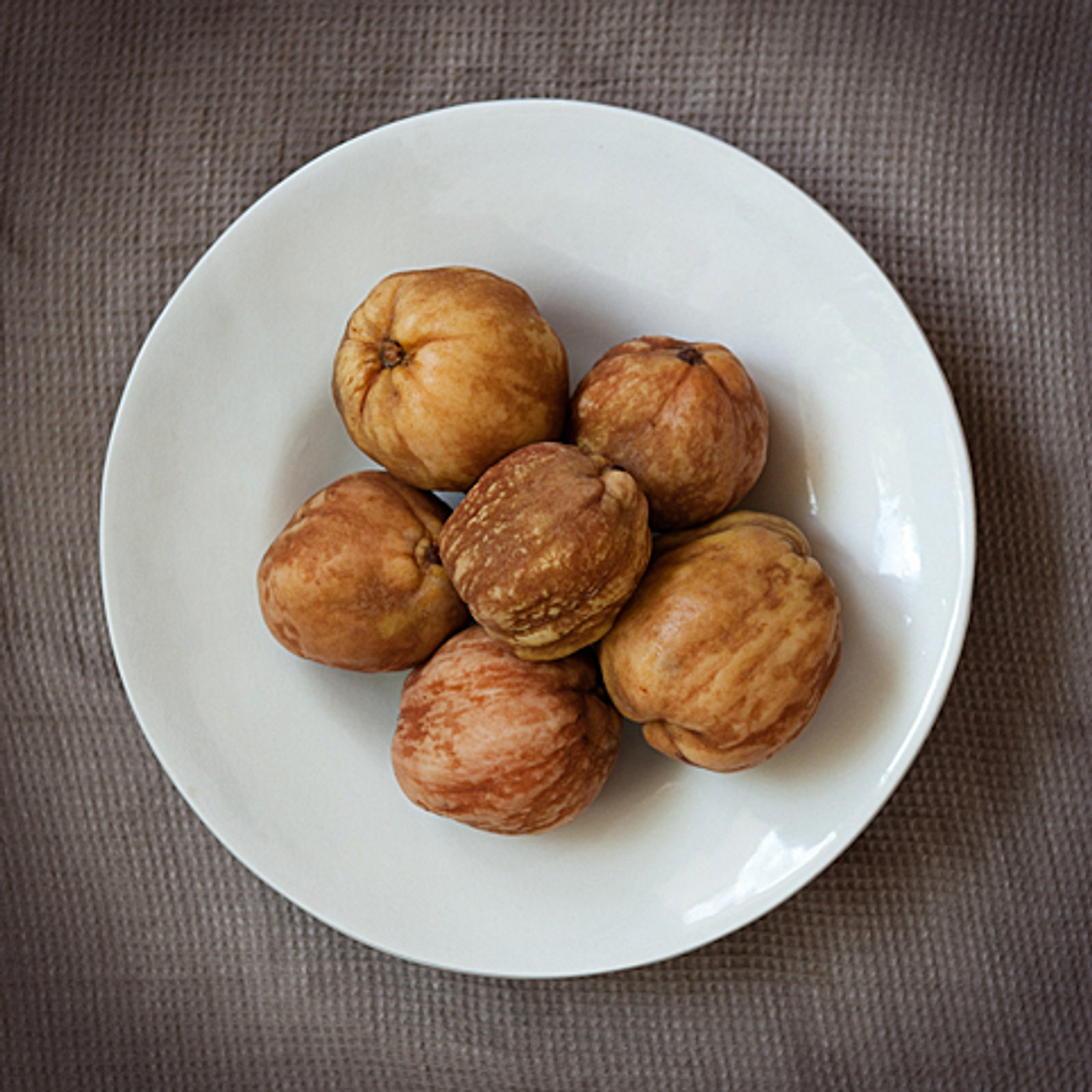
Maryna Marhitych The taste of presence: food as a resource
Feel the taste of real presence by exploring food as a source of resource and of awareness.
This workshop invites you into a deep immersion in your sensations, emotions and needs.
Discover practical tools that will help you use food for self-knowledge and for the enjoyment of life.
Oksana Shulha Suffering as a choice
We often take suffering to be inevitable — but what if it is our choice? At the master class we will look at how a person creates and maintains their own suffering, which inner mechanisms and beliefs support it, and how this process can be changed.
We will be able to explore the causes of suffering; to become aware of our own strategies that lead to painful situations repeating; and to gain practices of self-support and of getting out of destructive patterns.
This master class will help you learn to notice when and how you choose suffering, and to find alternative ways of responding that lead to greater freedom and inner balance.
I invite you to explore how you can change your attitude to suffering and open up new possibilities for a harmonious life!
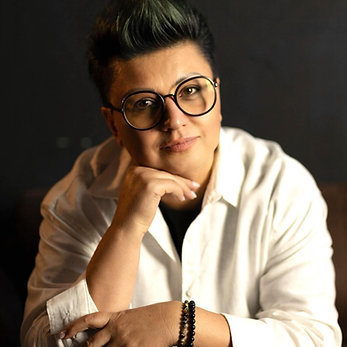
Mirabella Bilylovska Rest that has a taste
About conscious rest that can be «tasted» and felt.
Conditions of participation
3000 UAH when paid before 20 March 2025
3500 UAH when paid before 27 March 2025
4000 UAH after 27 March 2025