





Study in KIGiP
Method of Gestalt therapy
Gestalt therapy is one of the modern directions of personality research and psychotherapy, developed by Fritz Perls in the late forties.
It is widely used in psychological counseling, in individual and family therapy, and in business counseling.
Actually, the term "gestalt" means "holistic image" and was borrowed from gestalt psychology, which belongs to the section of psychology of perception.
The basis of the method is a holistic approach to a person that combines emotional, bodily and intellectual contexts. A similar vision of man and humanity made Gestalt therapy a universal direction.
Gestalt therapy is very effective due to a clear theory, a creative basis in work, quick methods of determining a problem area, respect for a person's experience and views.
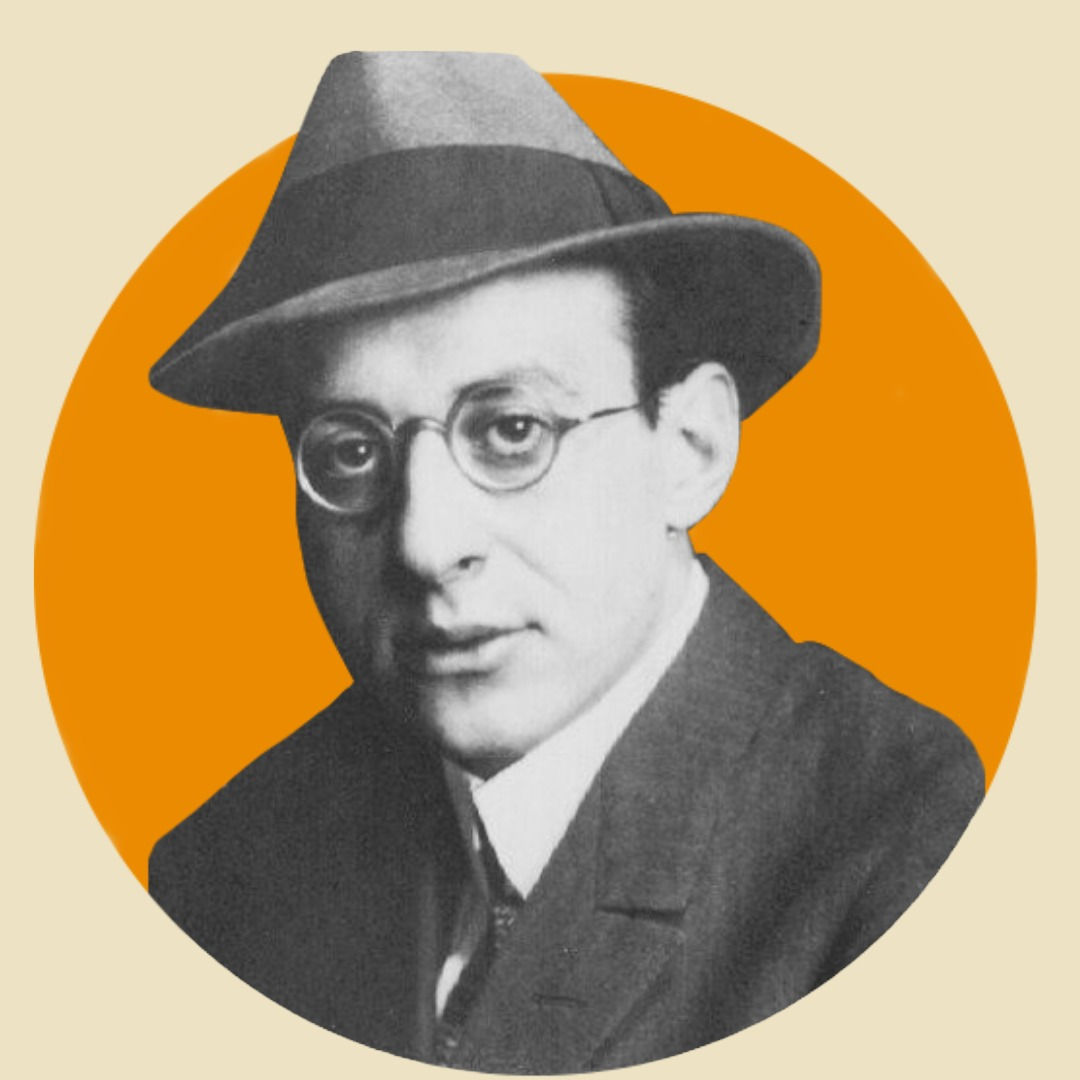
The essence of this approach
It consists in understanding how we interact with our desires and needs, do we understand them, at which moment do we forbid ourselves to act, and, stepping on the throat of our own song, we lose our dream and form an unfinished gestalt at the same time.
Also, the method allows us to investigate at what moment we "don't possess ourselves", what effect our actions have on the people around us and how the actions of others effect on us.
This is called self-regulation.
We can regain responsibility for our lives, stop being a "victim of circumstances."
Although Perls, like Freud, was a doctor and developed his method primarily for the treatment of neuroses, psychosomatic diseases and other disorders. During his lifetime Gestalt therapy went beyond the scope of purely medical practice (although it is successfully used there to this day).
Gestalt therapy is a therapy of contact, work on a person's relations with the environment, including the people around him. It helps to restore contact between family members, to avoid destructive conflicts in relationships and to adapt to inevitable and not always pleasant changes.


Due to the fact that Gestalt therapy is a certain psychotherapeutic methodology, but in no way a technology, it has turned into one of the most universal directions of psychotherapy.
Gestalt therapy helps absolutely healthy and successful people to make their life fuller and more meaningful, to overcome life crises and dissatisfaction in relationships with people
Training in the method
Gestalt therapy training is progressive from the first to the third stage, the program also includes supervision and personal therapy in individual and group settings.
The fourth stage and international programs are forms of advanced training for certified Gestalt therapists

STAGE
This program – "Introduction to Gestalt Therapy/Gestalt Counseling" accepts students based on the results of an interview with the program trainer.
Basic course: 160 hours of study.
Upon successful completion of the training, a document of the prescribed format (certificate) is issued about the completed course, which gives the right to study at the Second stage in Gestalt Therapy.
Basic course
160 study hours the First
STAGE the
Second
Graduates of the First stage of Gestalt institutes are admitted to the Second stage of professional training of Gestalt consultants.
The goal of the program: to prepare professionals who are able to work and feel confident in various areas of psychotherapy and counseling.
Participating in a group can also be used as a deeply personal experience.
Duration of study: 4.5 years (20 three-day cycles).
Participants are issued a KIGiP certificate that meets the standards of international Gestalt associations: EAGT (European Association of Gestalt Therapy), EAP (European Association of Psychotherapy) and AADGT (American Association for the Development of Gestalt Therapy).
Duration of study: 4.5 years – 20 three-day cycles
STAGE the Third
An additional training program in accordance with the full EAGT standard, as well as to obtain a specialization in the field of conducting therapeutic groups.
Graduates of the Second stage are admitted to the Third stage program.
Duration: 8 three-day cycles (3 years).
Upon completion, students have the opportunity to be certified by the European Association of Gestalt Therapists and receive international recognition of their competence.
If you want to enroll in a study group or have questions about the programs of the Institute, fill out the form by clicking on the "Submit an application" button.
Duration of study: 3 years: 8 three-day cycles
Apply for the
1st stage
Apply for the
2nd stage
Apply for the
3rd stage
Learning programs in KIGIP the First stage of Gestalt
The first stage of training in Gestalt therapy: It is the basic basis of learning Gestalt therapy; It takes place in the form of an educational and therapeutic group; Orients participants to personal and professional development
Duration of study – 1 year

Learn more the Second stage of Gestalt

the 2nd stage program: As a result of passing the program and attestation, students receive a certificate of KIGiP (Kyiv Institute of Gestalt and Psychodrama).
The certificate meets the international requirements of the European Association of Gestalt therapists and can be accredited in European countries
Optionally, students can continue their studies to obtain the international certificate of GATLA (Association of Gestalt Trainers of Los Angeles) and EAGT (European Association of Gestalt Trainers).
It consists of 20 study cycles and lasts 4 years
Learn more the Third stage of Gestalt

Participants are issued a certificate that meets the standards of AAGT (American Association for the Development of Gestalt Therapy), EAGT (European Association of Gestalt Therapy), EAP (European Association of Psychotherapy)
This is an excellent opportunity for advanced training for those who have completed the Gestalt Therapy Professional Training Program (stage 2).
You will be able to improve the quality of Gestalt sessions as a result of a better vision of the client's process, receive supervision and professional support from international trainers, as well as the opportunity to learn how to lead groups.
Consists of 8 educational cycles and lasts about 3 years
Learn more the Fourth stage of Gestalt

The educational project is designed for participants who have passed the 3rd stage and want to improve their skills: theoretical therapeutic group leader supervisor
Studying in the project will allow, after fulfilling the requirements, to apply for the role of a second-degree trainer in a professional educational project: "Gestalt therapist/Gestalt consultant"
Learn more
Specializations

For participants of Gestalt training programs, for practicing psychologists and for people who wish to deepen their knowledge in one of the areas of psychology, we offer specializations on the following topics: Work with trauma and PTSD
Work with children, adolescents and parents
Family therapy
Psychology of couple relations and sexuality
Working with codependency
Clinical psychology
Psychopedeutics
Polyvagal theory
Art therapy in Gestalt approach
An experiment in the work of a psychotherapist and other…
After graduation, all participants receive a certificate confirming training in the chosen area
Learn more
Therapeutic groups

For students of Gestalt training programs and for people who wish to process certain psychological issues for themselves personally, we regularly conduct therapy groups under the guidance of experienced therapists
Hours in groups are included in the credits for KIGiP students
Learn more